

Naturally alkaline water is water that has passed through rocks and soil, picking up key minerals along the way that raise its pH. This natural process is distinct from artificial ionization, which uses electricity to alter water pH without adding natural minerals.
The Journey Through Natural Strata
Unlike regular tap water or artificially processed waters, natural alkaline water begins its journey high in the mountains as rain or snowmelt. As it slowly filters down through layers of volcanic rock, sand, and limestone over centuries, a natural chemical reaction occurs. The water dissolves microscopic amounts of essential minerals—specifically calcium, magnesium, potassium, and silica.
This mineral infusion does two critical things: it raises the pH of the water naturally, typically bringing it to a stable 7.4 to 8.5 range, and it equips the water with essential electrolytes that your body can absorb instantly.
Natural vs. Artificial Alkaline Water
Many commercially available alkaline waters are created using a process called electrolysis or ionization. This uses electrical currents to separate the water molecules and artificially boost the pH. However, because this process doesn't add actual minerals, the pH is highly unstable and can degrade quickly once the bottle is opened. Furthermore, it lacks the vital mineral profile that makes natural spring water so beneficial for cellular hydration.
"Water is not just H2O. It is a complex solution of minerals and trace elements that have co-evolved with human biology for millennia."
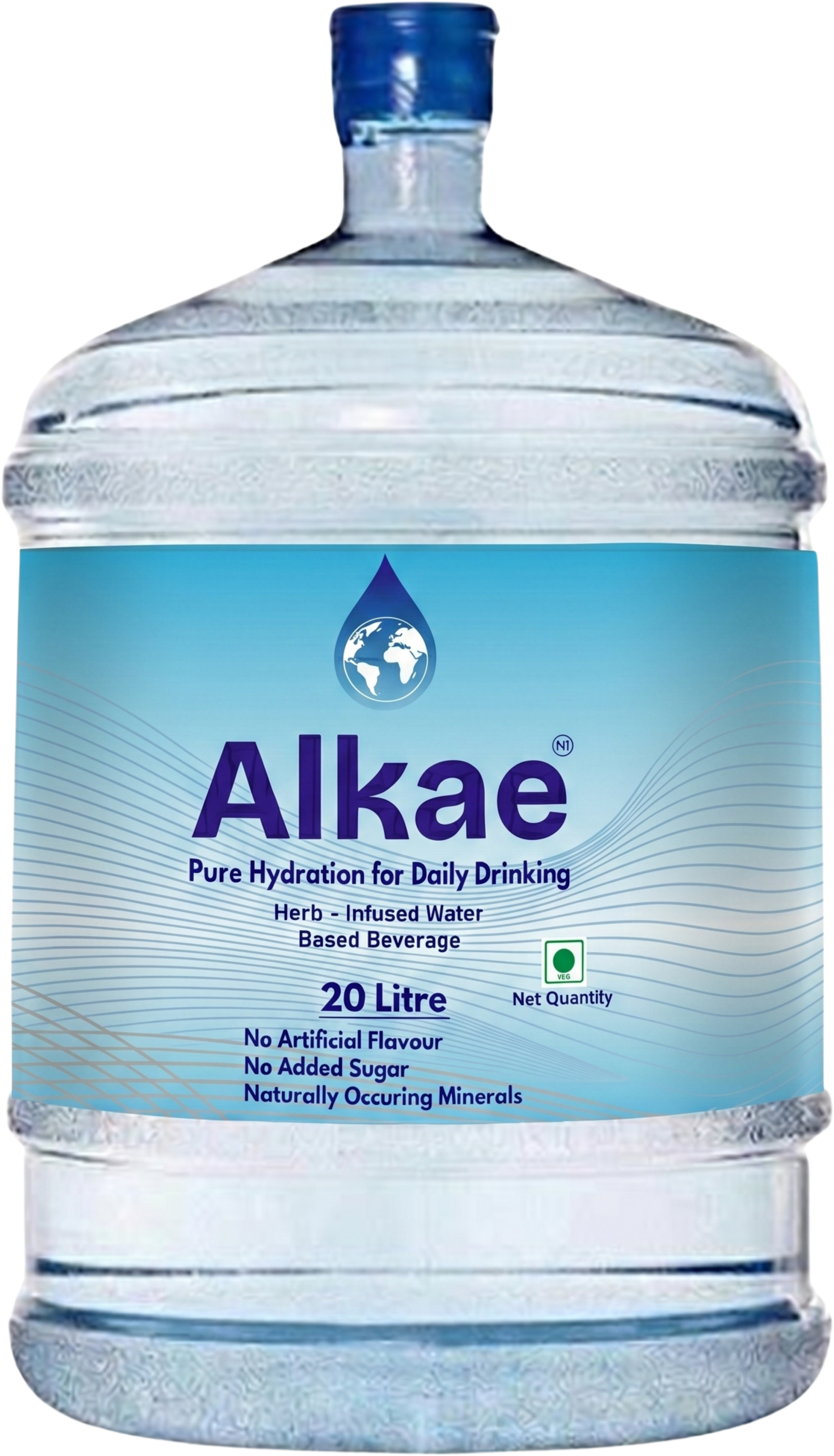
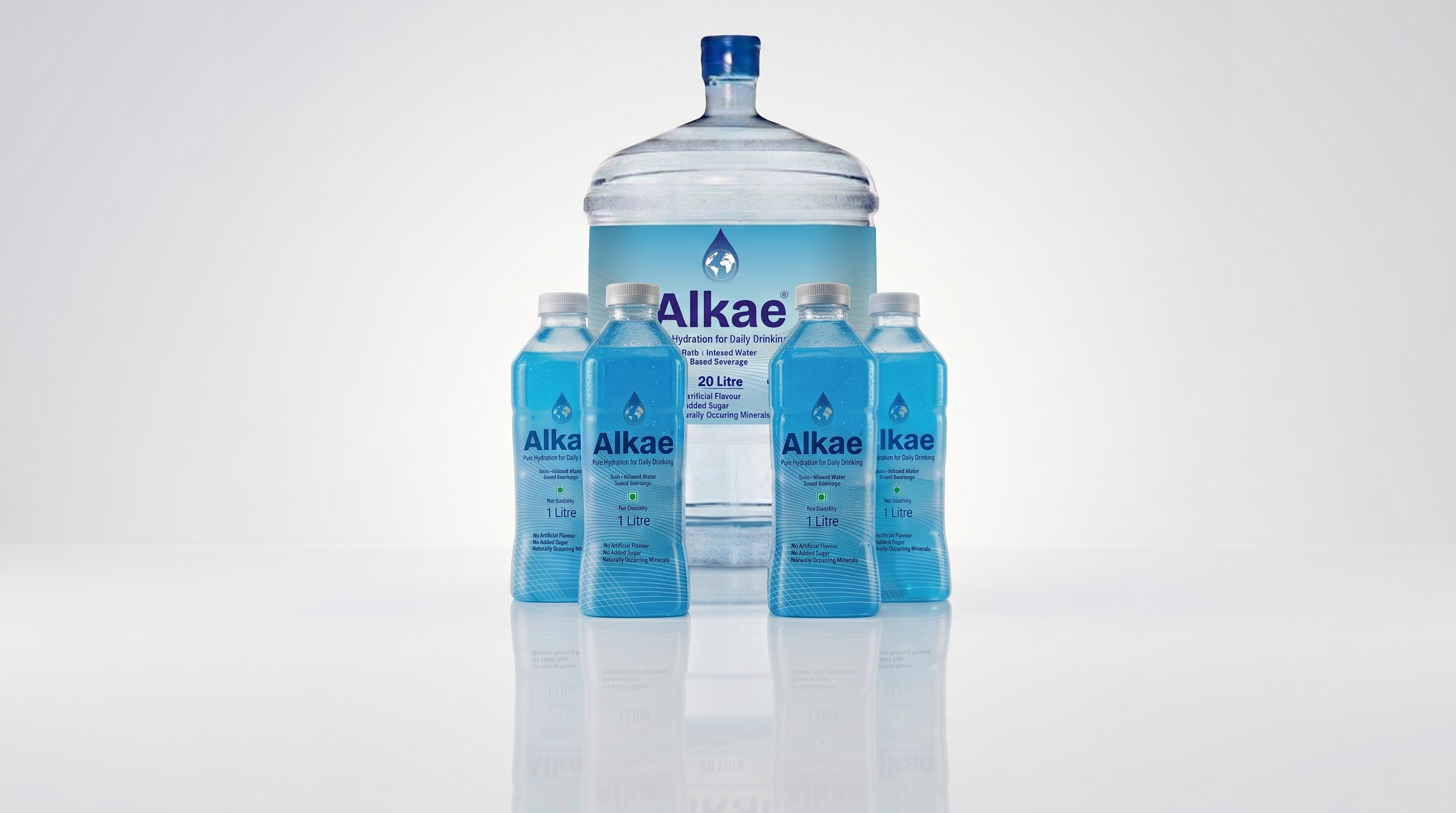
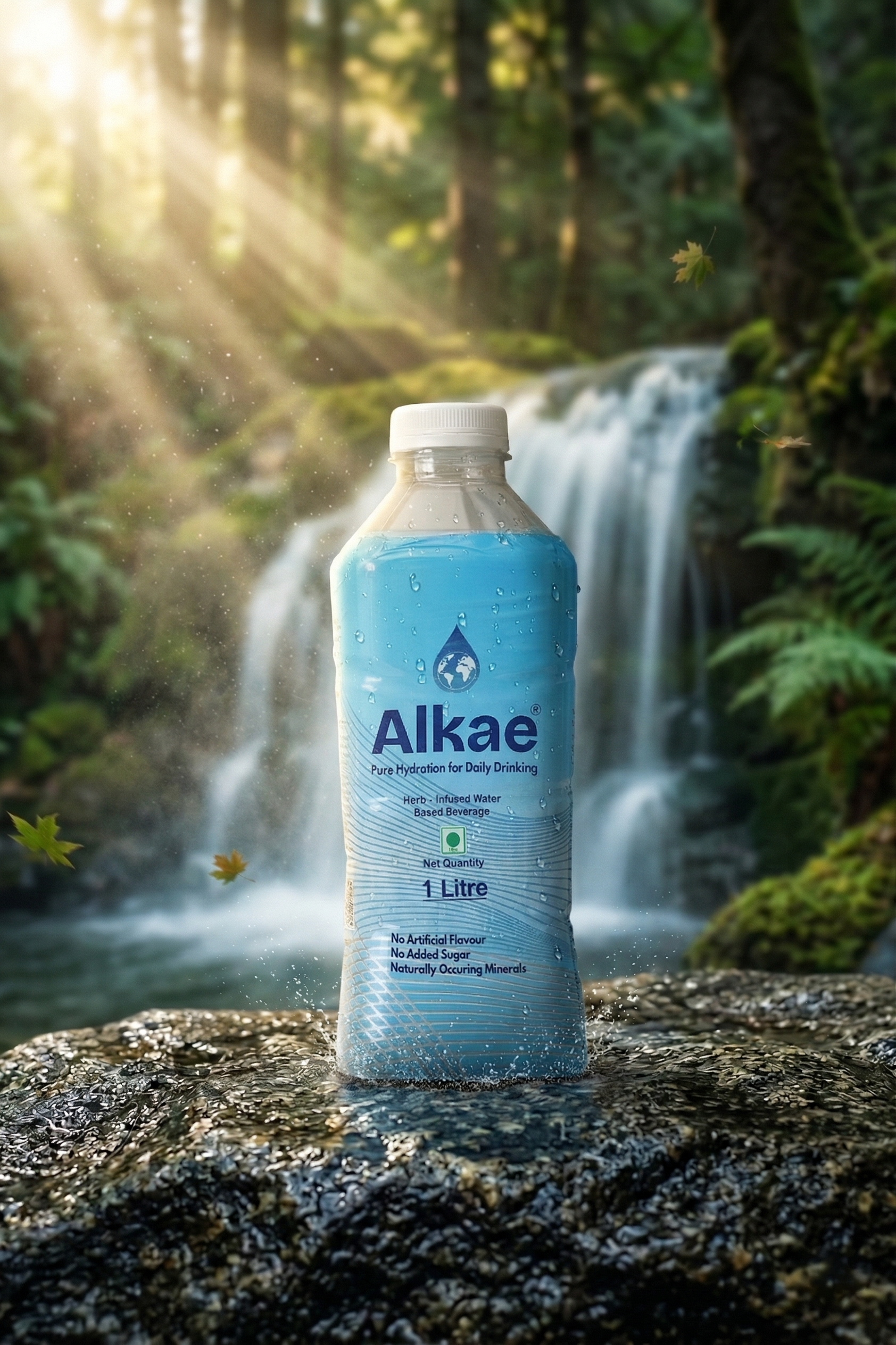
When you drink Alkae, you are drinking water that has been naturally mineralized by the Earth, delivering sustained hydration and supporting your body's natural pH balance without any chemical additives or processing.